

A Different Approach to Chronic Pain

Denise Cameron Holland
RMT, DOMP, M.msc
Specializing in chronic pain, nervous system stress, mobility restrictions, and persistent tension patterns that do not respond to traditional treatment approaches.
As a Manual Osteopath and Massage Therapist, I help clients struggling with unresolved chronic pain patterns. With 30 years of experience and thousands of hours of advanced education, I focus on identifying the underlying patterns of tension and restriction that keep the body stuck in pain.
My Approach
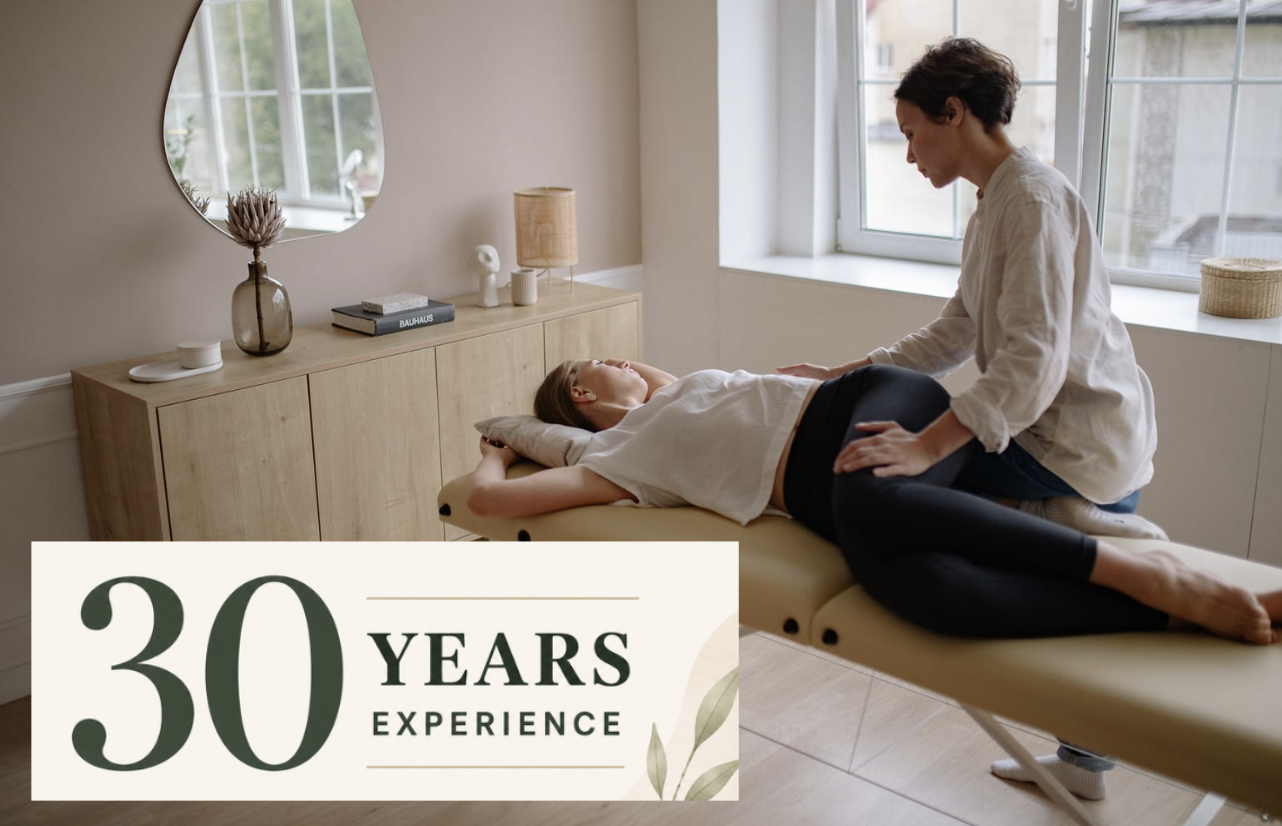
As your Manual Practitioner
As your therapist, I begin by listening to your symptoms, concerns, and how pain is affecting your daily life. Together, we look beyond the surface to understand what may be contributing to the tension, restriction, or dysfunction within the body.
Every treatment plan is personalized and may include collaboration with other practitioners or supportive therapies to help you reach your goals.
One of my favourite things to say to clients is:
“Something caused this — let’s figure out what it is.”
When we understand why the body is protecting, compensating, or holding tension, lasting change becomes much more achievable.
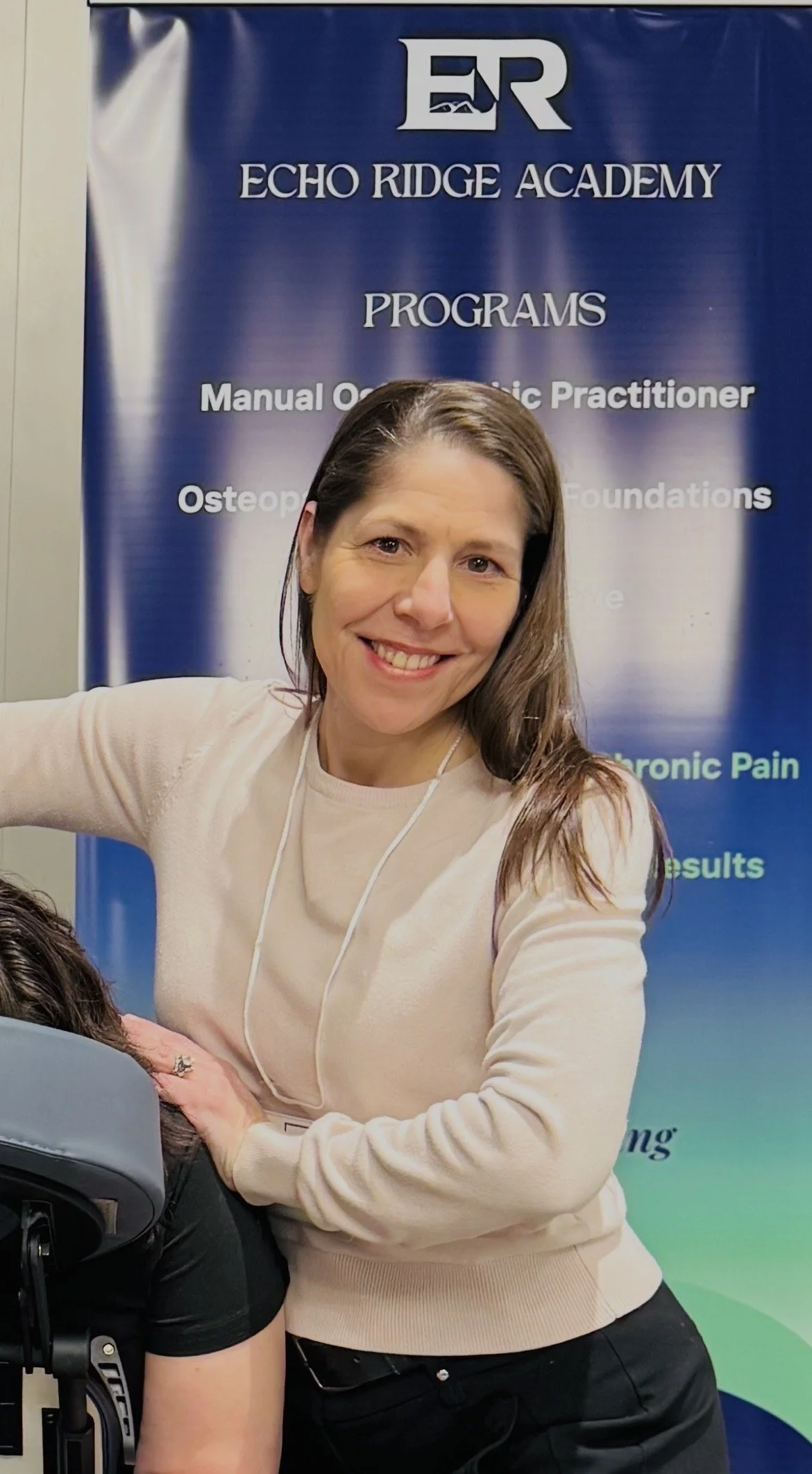
As your RMT Mentor
After 30 years in clinical practice and over 25 years mentoring therapists, I understand how overwhelming this profession can become. Many therapists feel exhausted, stuck, underconfident, or unsure how to take their skills to the next level — even when they genuinely care about helping people.
My mentorship is designed to help therapists build confidence, refine assessment skills, strengthen intuitive touch, prevent burnout, and create a career that actually feels sustainable.
Together, we identify your unique strengths, uncover what may be holding you back, and create a clear path forward — clinically, personally, and professionally.
I believe great therapists are not created by memorizing more techniques. They grow by learning how to truly listen to the body, trust their skills, and develop an approach that feels authentic to them.
Services
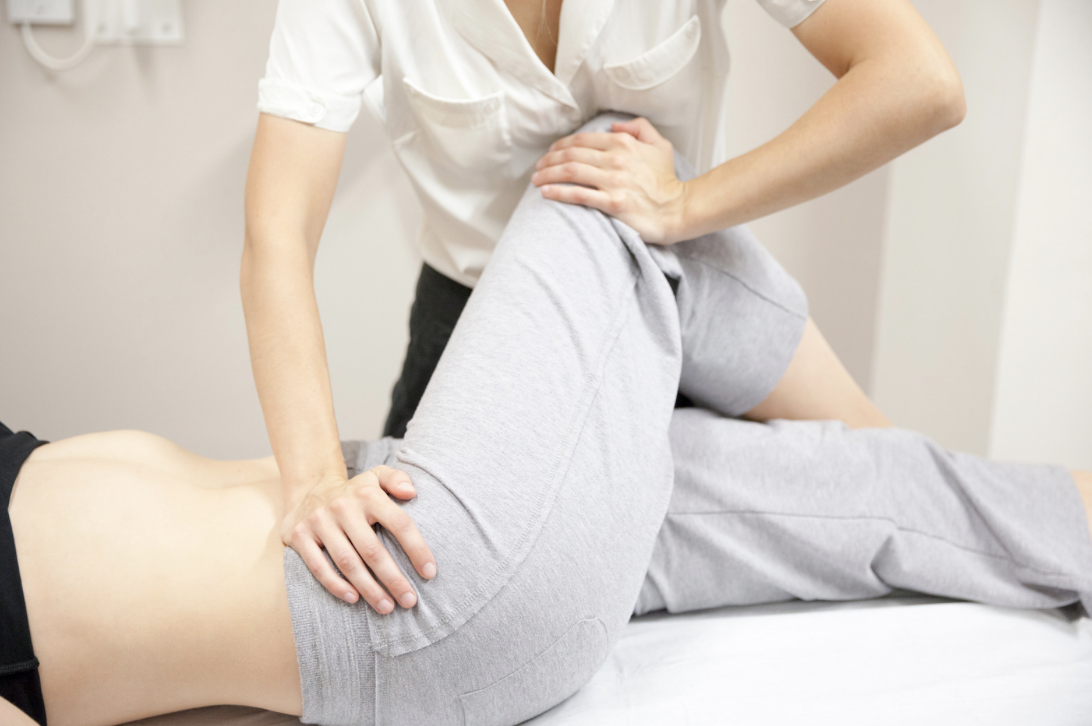
Chronic Pain & Joint Restoration
Focused treatment for persistent pain, stiffness, movement restriction, and unresolved tension patterns.
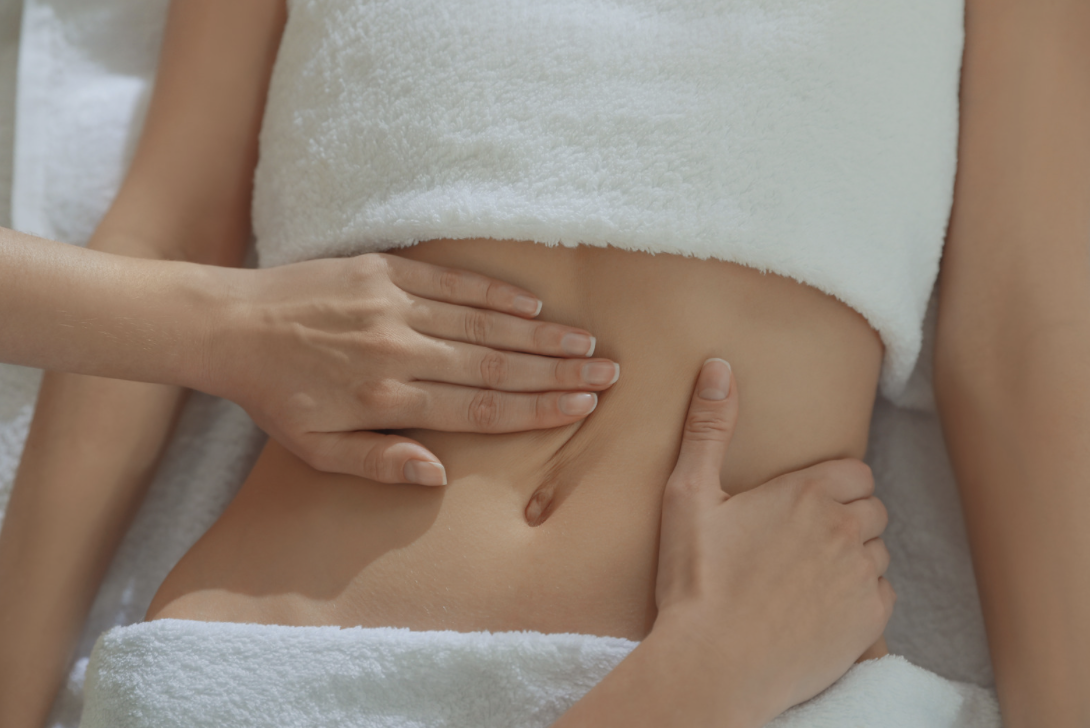
Visceral Manipulation
Gentle treatment to improve mobility, tension and restriction surrounding the organs and connective tissues.

Orthopedic Surgery Preparation
Prepare the body before orthopedic procedures to improve mobility, circulation, and recovery outcomes.

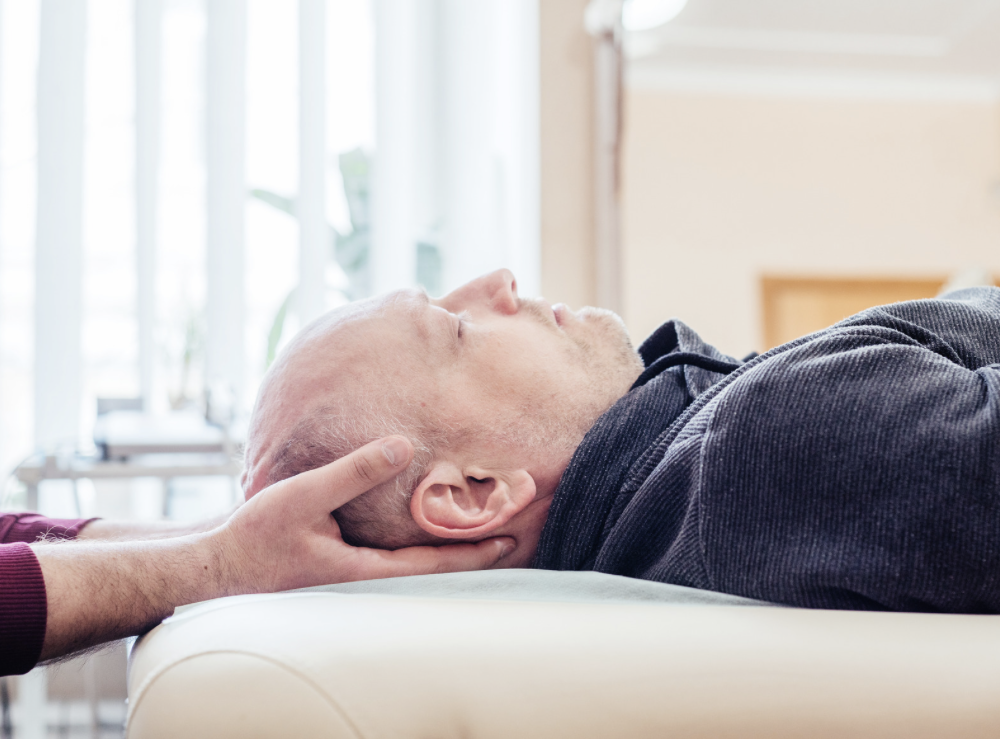
Cranial Sacral Therapy
A calming, hands-on approach focused on reducing tension, nervous system stress, headaches, and jaw restriction.
Nervous System Regulation
Treatment designed to help the body shift out of stress, overload, and chronic protective tension patterns.

Complex Cases
For clients who feel stuck after trying multiple treatment approaches without lasting results.
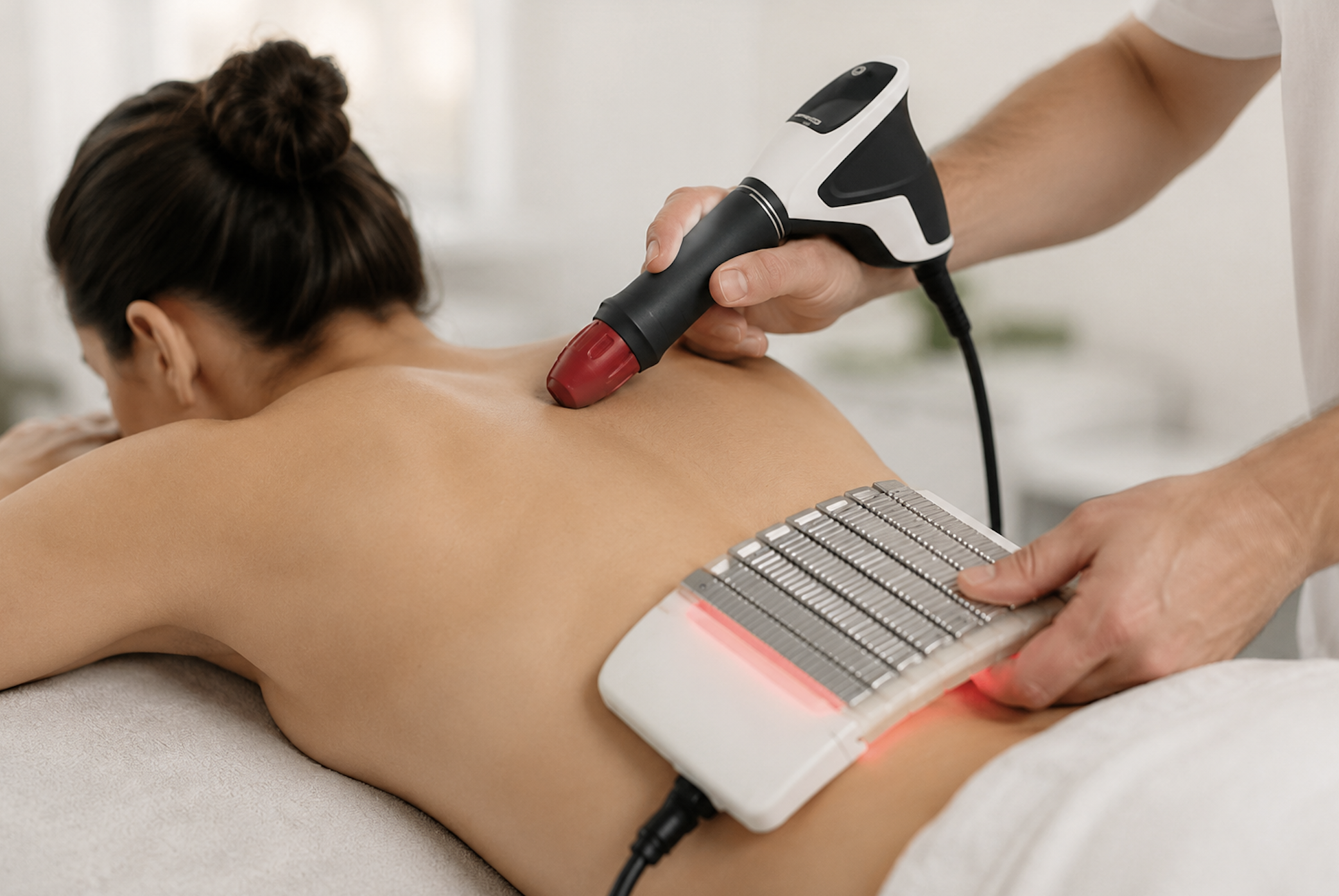
Shockwave and Laser Therapy
TherapyTargeted therapy used to support healing, reduce inflammation, and improve stubborn pain conditions.
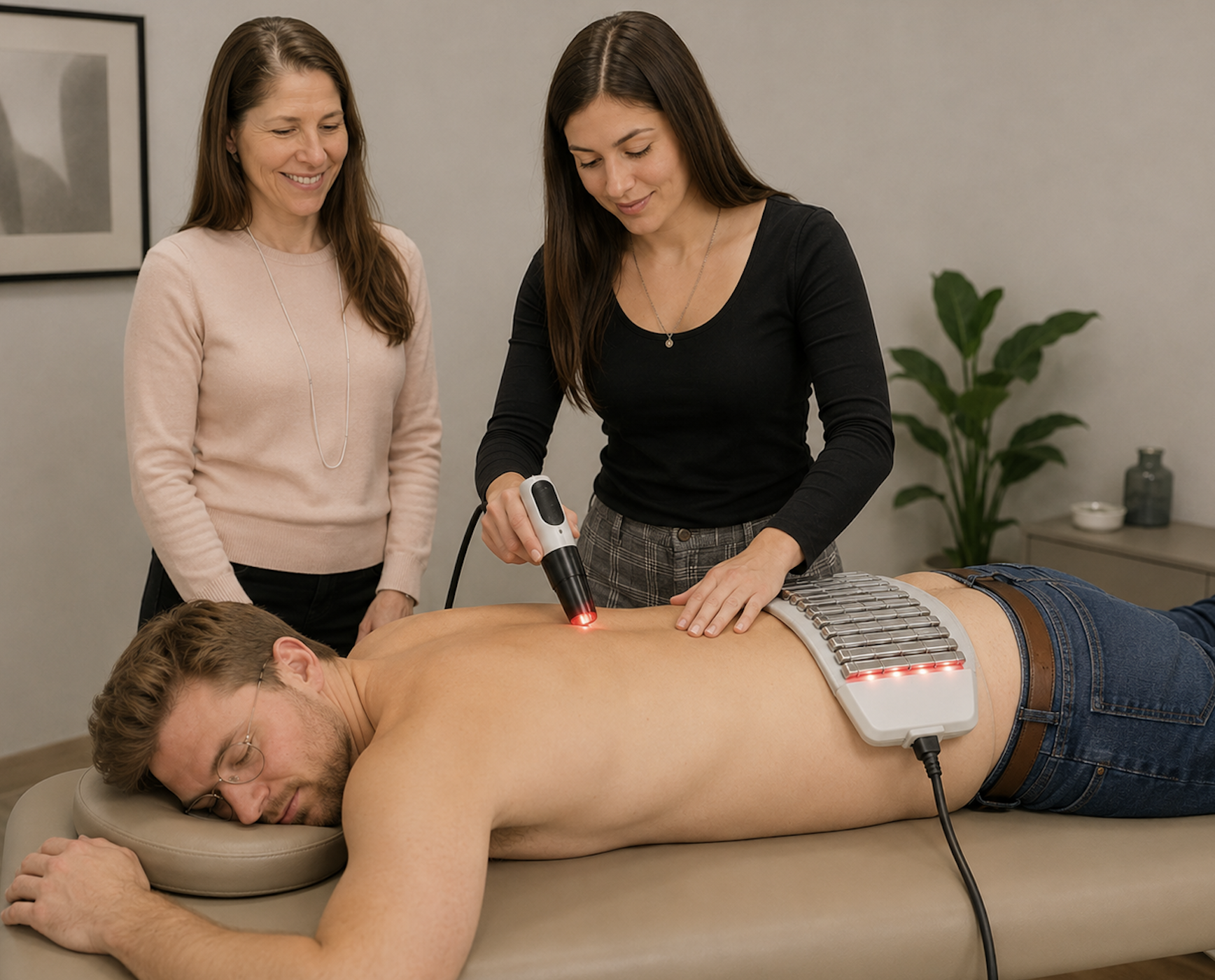
Advanced RMT Mentorship
Clinical mentorship for therapists seeking stronger assessment skills, intuitive touch, confidence, and long-term career growth.
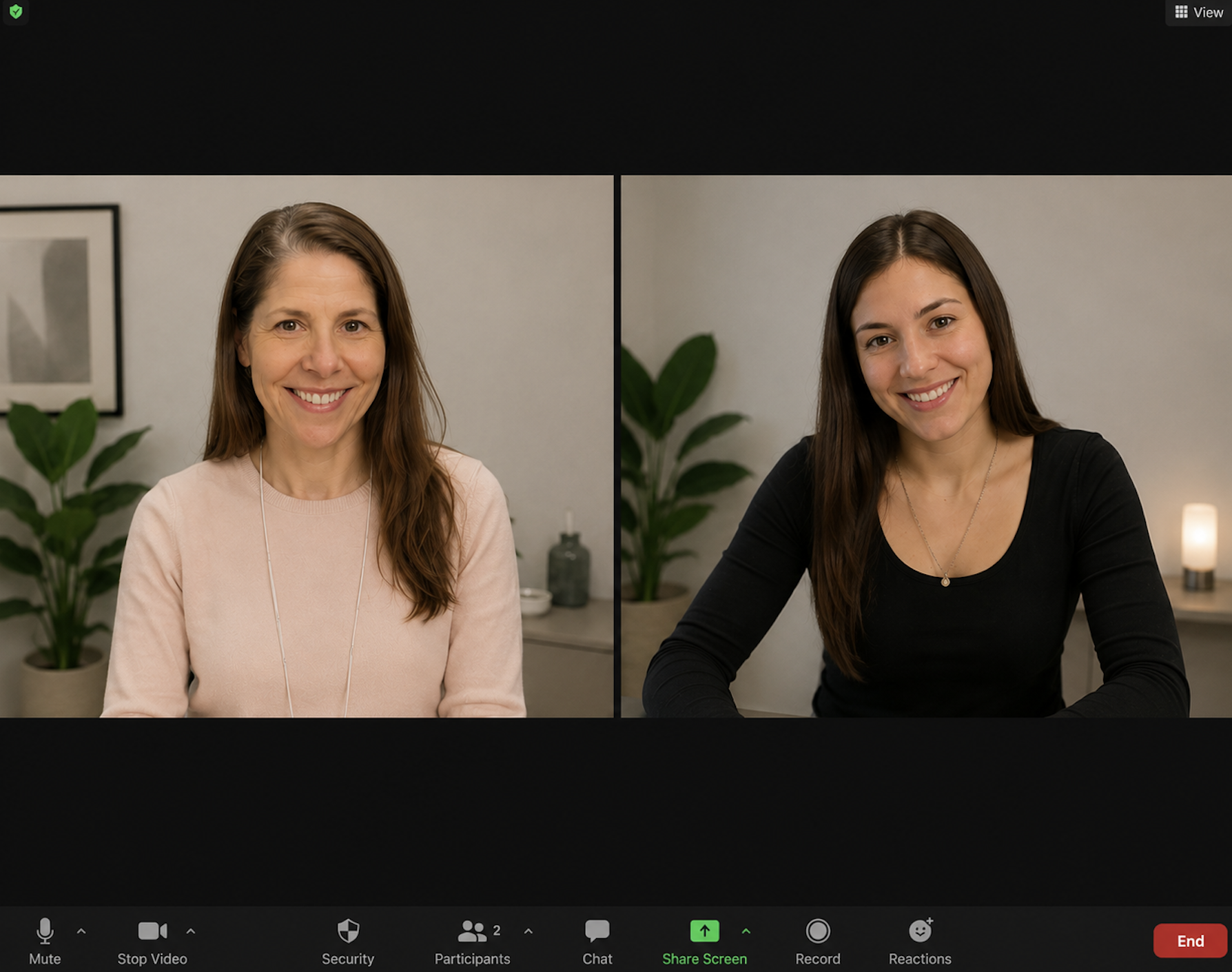
Intuition & Personal Growth
Support for individuals looking to strengthen self-awareness, trust their intuition, and create a more aligned meaningful life.
About Denise
Denise Holland is a Manual Osteopath, Registered Massage Therapist, mentor, and educator with over 30 years of experience helping people living with chronic pain, tension, movement restrictions, and nervous system stress.
Her journey into healing began long before her professional training. Growing up with a chronic autoimmune condition gave her an early understanding of resilience, body awareness, and the deep connection between physical health, stress, and emotional well-being. Those experiences sparked a lifelong passion for understanding how the body heals and adapts.
Throughout her career, Denise has worked in rehabilitation, athletics, chronic pain care, and advanced manual therapy. Her approach combines detailed assessment skills, osteopathic principles, nervous system regulation, fascial work, and gentle hands-on treatment focused on uncovering the deeper patterns contributing to pain and dysfunction.
Clients often seek Denise out after trying multiple treatment approaches without lasting results. Her work is known for helping the body release long-standing compensation patterns while creating a calmer, more sustainable path toward healing and movement.
In addition to her clinical practice, Denise has spent over 25 years mentoring therapists and teaching advanced hands-on skills. She is the founder of Echo Ridge Academy, where she helps practitioners build confidence, refine assessment skills, prevent burnout, and develop a treatment approach that feels both effective and authentic.
What is Osteopathy?
A Manual Osteopath is trained to “listen to the body”, navigating how blood is flowing,, how the joints are moving, the fascia tensions and torsions in the organs and throughout the body.
Extensive training is required to establish what restricts blood flow, joint movement, and cranial fluid flow through the brain and spinal cord, making osteopathy a more root-cause approach to pain and declining health.
Practitioners may take a full-body approach, using a variety of techniques, or specialize in a specific modality such cranial osteopathy. It is always best to ask your Manual Osteopath about their approach and the types of results they generally excel at.


What RMT mentee’s are saying
“I was in such a hustle trying to build a life, I forgot that building takes time. Working with Denise helped me slow down and stop treating growth like a deadline. Now I can actually feel myself becoming who I’m meant to be.”
Andrea, RMT Alberta
"I had no idea intuition could be this simple. I always thought it was some gift other people had something I wasn’t born with. Denise helped me realize I’ve had it all along… I just didn’t know how to listen.”
Dessica, RMT Alberta
Most Common Patient Questions:
-
I work with both acute and chronic pain conditions, focusing on the deeper tension patterns and compensations that often keep the body stuck in pain.
Common conditions include:
• Hip pain and pelvic tension
• Neck pain and headaches
• Upper shoulder and postural tension
• Sciatica and low back pain
• Stress-related tension and nervous system overload
• Sports performance restrictions caused by fascial tightness
• Trigger points and chronic muscle guarding
• Arthritis and age-related compensation patterns
• Acute injuries requiring laser therapy and tissue recovery supportEvery treatment is personalized based on how your body compensates, protects, and responds to stress or injury.
-
Over the past 30 years, I have developed a strong ability to recognize the deeper compensation patterns that often keep the body stuck in pain. Rather than focusing only on where symptoms appear, I look at how the body is protecting, adapting, and restricting movement as a whole.
My work is often described as “foundational” because treatment focuses on removing the underlying restrictions and tension patterns that may be limiting progress or causing the body to continually compensate.
Many clients come to me after trying multiple approaches without lasting results. I also frequently work alongside chiropractors, physiotherapists, massage therapists, trainers, and other healthcare practitioners to help improve mobility, reduce protective tension, and support longer-lasting outcomes.
Every body tells a story. My job is to listen carefully enough to understand what it needs.
-
Receipts are available for both Massage Therapy and Manual Osteopathic treatment, depending on the service provided and your individual insurance coverage.
At this time, most extended health plans cover Massage Therapy. Coverage for Manual Osteopathy varies between providers. Currently, Canada Life does not provide coverage for Manual Osteopathic treatment.
Direct billing is not offered. Keeping the clinic independently operated allows me to focus more time on patient care while keeping treatment costs reasonable and accessible for clients seeking individualized care.
-
Rather than aggressively pressing directly into painful trigger points, I focus on understanding why the tissue became overloaded and protective in the first place.
In many cases, trigger points are connected to deeper compensation patterns involving joint restriction, fascial tension, tendon and ligament strain, lymphatic congestion, posture, movement habits, or nervous system stress. I often find the source of pain is not just within the muscle itself, but within the surrounding connective tissues that limit healthy movement and circulation.
Treatment may include manual therapy, fascial release, nervous system regulation, movement assessment, and shockwave therapy to help improve tissue healing, reduce chronic tension, and support faster, longer-lasting results.
This approach is designed to work with the body rather than forcing it to release through pain.
-
Treatment fees are kept simple and inclusive, allowing each session to be fully personalized based on what your body needs during that appointment.
• Initial Assessment & Treatment (90 Minutes) — $175
• 75 Minute Follow-Up Treatment — $160
• 60 Minute Follow-Up Treatment — $140
• 45 Minute Follow-Up Treatment — $120Sessions may include a combination of manual therapy, osteopathic treatment, shockwave therapy, laser therapy, nervous system regulation, and movement-based assessment depending on your individual goals and presentation.
-
I kindly ask for at least 24 hours notice for appointment cancellations or changes whenever possible. This helps respect both my time and the time of other clients waiting for appointments.
That said, I understand that illness and unexpected situations happen. If you wake up sick, please text me before 9:00 AM on the day of your appointment and your session will not be charged.
My goal is to keep the clinic fair, respectful, and supportive for everyone.
-
Treatment frequency depends on the condition, how long the issue has been present, your stress levels, daily habits, and how the body is compensating.
For most chronic conditions, clients are often seen more closely together at the beginning of care, usually averaging between 2–8 treatments depending on the complexity of the issue. Once the body begins to stabilize and move more efficiently, treatment frequency typically decreases into a maintenance phase.
Many long-term clients transition from frequent massage appointments to maintenance visits every 6–16 weeks, either with me or alongside their other healthcare practitioners.
While these treatments are more focused than a typical relaxation massage, the goal is to achieve longer-lasting results by addressing the underlying restrictions and compensation patterns that contribute to the problem.
One of the most rewarding parts of my work is running into former clients months or years later and hearing, “I’m still doing great.” That lasting change is always the goal.
FAQ

Most Common Practitioner Questions:
-
Tissue Melting focuses on working with the body rather than forcing through resistance. Instead of relying on excessive pressure, therapists learn how to recognize protective tension patterns, improve tissue response, and create deeper releases with less physical strain on both the client and practitioner.
Many therapists are taught that “deeper” means using more force. Over time, this often leads to practitioner burnout, hand and thumb injuries, client guarding, and inconsistent long-term results. Tissue Melting teaches therapists how to create meaningful change without fighting the body.
The goal is not only to improve clinical results, but also to help therapists build a career that is physically sustainable, financially rewarding, and personally fulfilling long term.
After 30 years in practice, I have learned that career longevity comes from learning how to listen to the body, trust your assessment skills, refine your touch, and work smarter rather than harder. Mentorship and training are designed to help therapists gain confidence, discover their unique strengths, and create a clearer vision for the next stage of their career.
-
In my experience, one of the biggest struggles therapists face is confidence — not just in their hands, but in their communication, clinical decisions, pricing, and overall direction.
Many genuinely talented therapists quietly doubt themselves, even when they are getting good results. They overthink treatments, second-guess their assessments, struggle to explain their value to clients, and often undercharge because they do not fully trust what they bring to the table.
Real confidence is not built through pressure sales or pretending to know everything. It develops through experience, mentorship, clinical understanding, communication skills, and learning how to trust your own observations and instincts.
One of the hardest parts of this profession is learning how to clearly communicate with clients while standing confidently behind your treatment approach, your recommendations, and your rates.
My mentorship focuses heavily on helping therapists strengthen that confidence so they can build practices that feel authentic, sustainable, and financially stable long term.
-
I genuinely love helping people, but one of the biggest lessons I learned over the years is that I cannot pour from an empty cup. If my nervous system, body, and mind are overwhelmed, I cannot fully show up for my clients.
Early in my career, I believed being a good therapist meant constantly giving more, working harder, and carrying the responsibility of “fixing” people. Over time, I realized that approach leads many therapists toward exhaustion, physical burnout, emotional overload, and eventually losing their passion for the profession.
True longevity in this career comes from self-regulation, confidence, communication, healthy boundaries, and learning how to work with the body instead of fighting against it.
My role as a practitioner is to support and guide people through their healing process — not carry the entire weight of it for them. Once I understood that, everything changed. Treatments became more effective, my body felt better, my clients became more empowered, and I found myself enjoying this work more deeply than ever before.
-
I hear this all the time, and my honest answer is: you probably are.
Intuition is not a magical gift reserved for a select few. It is a natural human ability that many people have simply learned to ignore, doubt, or override over time.
In manual therapy, intuition often shows up as subtle observations, pattern recognition, clinical instincts, body awareness, listening skills, or simply “knowing” where to look next. The more experience, regulation, and confidence a therapist develops, the stronger those instincts often become.
I see intuition more like a muscle. Some people naturally rely on it more than others, but everyone can strengthen it with practice, awareness, mentorship, and learning how to slow down enough to truly listen to the body.
Many therapists are already intuitive — they just do not trust themselves yet.
-
Second-guessing usually has very little to do with skill and a lot to do with self-image, nervous system stress, and fear of being judged.
Many therapists quietly worry about whether clients are happy, whether they are “good enough,” whether they are charging too much, or whether they are making the right clinical decisions. Over time, that constant internal pressure creates hesitation, overthinking, and emotional exhaustion.
True confidence develops when you stop trying to prove yourself and begin learning how to trust your observations, communication, and presence.
One of the biggest things I teach therapists is that clients respond to more than techniques. They respond to your energy, confidence, calmness, communication, and ability to make them feel safe and understood. Your baseline mindset affects every treatment.
When therapists become more regulated, grounded, and clear in their approach, clients often respond very differently — treatments flow more naturally, communication improves, and confidence starts building from real experience rather than constant self-doubt.